When exploring marijuana-based skincare, it’s easy for consumers to confuse THC and CBD — two of the most recognized cannabinoids found in the cannabis plant. While both compounds come from the same source, their effects on the skin, legal status, and product applications are quite different. Understanding these differences helps consumers make informed choices about which cannabinoid better suits their skincare needs.
The Basics: THC vs. CBD
THC (tetrahydrocannabinol) is the compound responsible for the psychoactive “high” associated with cannabis. However, when used in skincare products, THC typically doesn’t cause intoxication because it doesn’t reach the bloodstream through topical application. CBD (cannabidiol), on the other hand, is non-psychoactive and widely used for its soothing, anti-inflammatory, and antioxidant benefits.
According to the National Center for Biotechnology Information (NCBI), both cannabinoids interact with the body’s endocannabinoid system (ECS), which helps regulate processes like inflammation, cell regeneration, and pain perception. In skincare, these interactions can influence how the skin repairs and protects itself.
Benefits and Common Uses
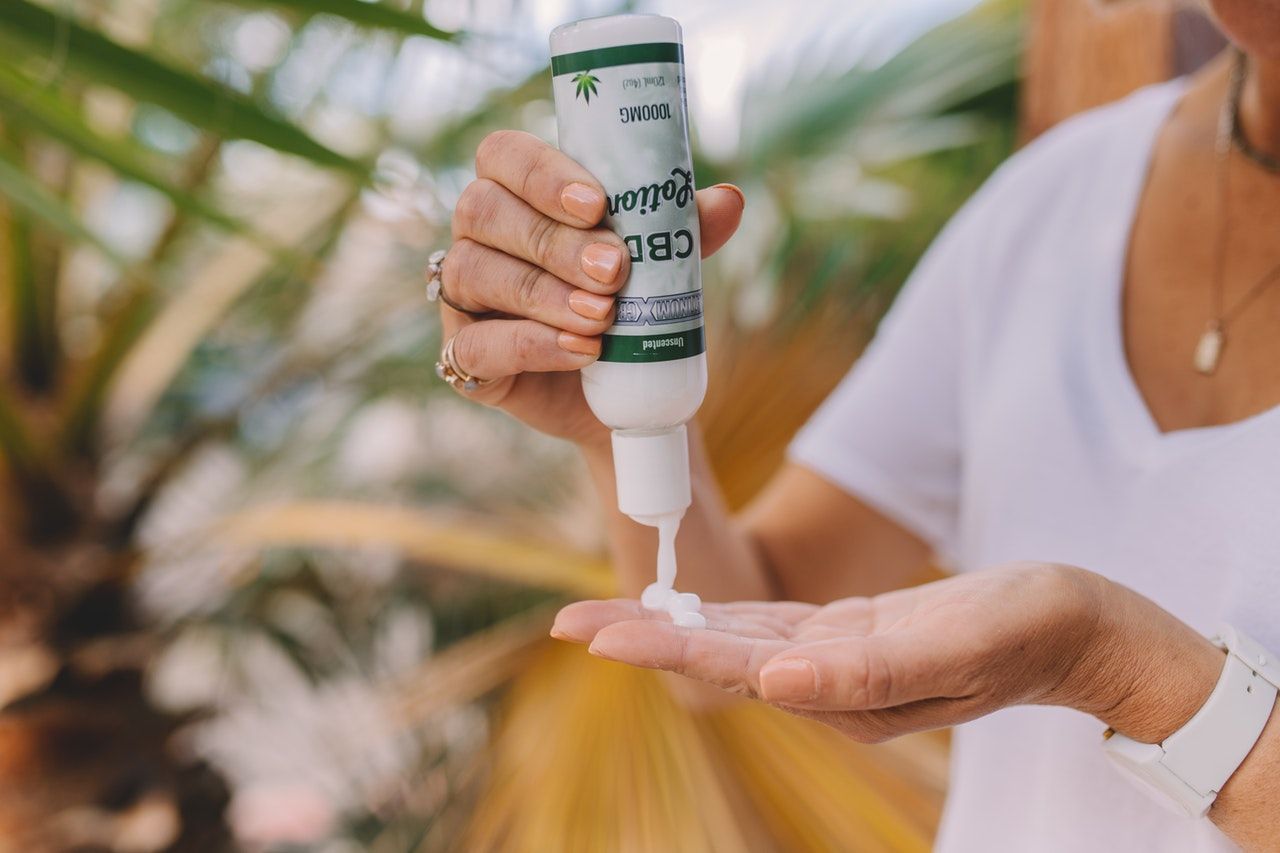
CBD skincare products are best known for calming redness, irritation, and sensitivity. Dermatologists often recommend them for people with eczema, acne, or rosacea because CBD has been shown to reduce inflammation and balance oil production. CBD also contains potent antioxidants that combat free radicals, helping to slow signs of aging.
THC skincare products, while less common, are gaining attention for their potential analgesic (pain-relieving) effects. Studies suggest that THC may help reduce localized discomfort and muscle tension. Some balms and salves containing THC are marketed for sore joints or post-workout recovery. While THC is psychoactive when ingested or inhaled, topical THC applied to the skin does not produce the same mental effects.
Legal and Labeling Differences
The legality of THC and CBD skincare products depends largely on their source and concentration. The 2018 Farm Bill made hemp-derived CBD legal in the United States as long as it contains less than 0.3% THC. However, products containing THC beyond that limit are regulated under state cannabis laws. Consumers should check labels for cannabinoid content and verify that products come with third-party lab reports to confirm safety and accuracy.
Trustworthy skincare brands often highlight whether their formulas use full-spectrum extracts (which include trace THC), broad-spectrum extracts (THC-free but containing other cannabinoids), or CBD isolate (pure cannabidiol). Understanding these distinctions helps users choose products that align with their comfort level and legal location.
Which Is Better for Your Skin?
Ultimately, choosing between THC and CBD skin products depends on personal goals. For calming, hydrating, and anti-aging benefits, CBD is often the preferred choice. For targeted relief of pain or inflammation, THC-infused topicals may be more effective — where legally available.
Experts agree that as cannabis research continues to expand, both cannabinoids hold promise for dermatological health. The key for consumers is to buy from reputable brands that provide transparent ingredient lists and verified lab results.
Learn More: Winter Wellness Elevated: Thoughtful Cannabis Routines for the Colder Months