The beauty industry is no stranger to trends that capture the imagination of consumers, but marijuana-infused skincare has shown surprising endurance. What began as a niche experiment has evolved into a scientifically backed and regulation-driven category, suggesting that cannabis-derived ingredients are here to stay—though not without adaptation.
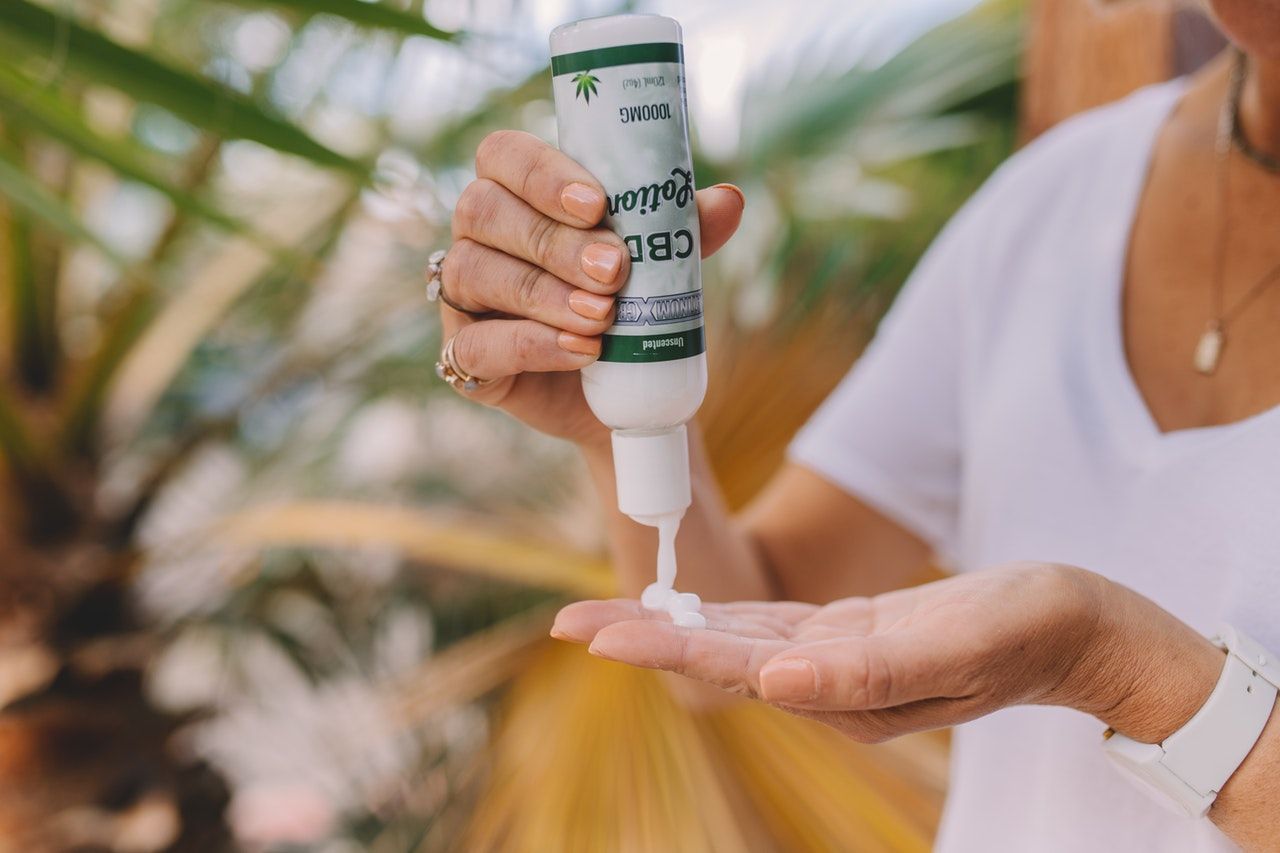
In recent years, dermatologists and researchers have begun to validate the therapeutic potential of cannabinoids. Studies now suggest that cannabidiol (CBD) can help calm inflammation, soothe redness, and regulate oil production, making it a potential asset for conditions such as acne, eczema, and sensitive skin. Scientists are refining delivery systems like encapsulation and liposomal carriers to improve ingredient stability and absorption, moving these products from “wellness buzzwords” to credible dermatology-adjacent treatments.
The regulatory environment is also maturing. In the United States, the Food and Drug Administration (FDA) continues to monitor cannabis-derived ingredients closely under the Modernization of Cosmetics Regulation Act (MoCRA). This means stricter labeling requirements, manufacturing transparency, and increased accountability for safety claims. Similarly, Europe’s evolving stance on CBD in cosmetics has encouraged brands to invest in clean sourcing, ingredient documentation, and toxicology data to remain compliant.
These changes have divided the market between brands that rely on hype and those investing in science. The early wave of “CBD in everything” products has largely faded as consumers grow more discerning. The next generation of marijuana skincare is likely to be smaller but more reputable, led by brands that can demonstrate verified cannabinoid content, lab testing, and dermatologist approval. Products pairing cannabinoids with trusted skincare ingredients—like niacinamide, ceramides, and panthenol—are already appealing to consumers seeking calming, barrier-repairing, or post-procedure benefits.
Market analysts predict continued growth for the category, with double-digit expansion expected through 2030. This optimism stems from a growing demand for natural, multifunctional, and gentle skincare solutions. However, the products most likely to succeed are those backed by credible science and responsible marketing. Consumers now understand the difference between hemp seed oil, which contains no cannabinoids, and true CBD formulations. Brands that blur this distinction or make unsubstantiated medical claims risk losing consumer trust and regulatory approval.
The novelty of cannabis in skincare may have worn off, but the category’s future depends on how well companies adapt to an evidence-based, compliant, and transparent model. Marijuana-derived ingredients are shifting from a marketing gimmick to a meaningful option for specific skin concerns—especially irritation, dryness, and redness.
Ultimately, marijuana skincare isn’t a fleeting fad but a maturing movement grounded in both innovation and accountability. As science continues to substantiate its efficacy and regulation refines its credibility, these products are poised to remain relevant in a more educated and discerning beauty landscape.