The skincare industry has evolved far beyond traditional ingredients like hyaluronic acid and vitamin C. Today, cannabis-derived elements—particularly marijuana-infused and hemp-based formulations—are making waves in beauty routines across the world. Although both stem from the Cannabis sativa plant, their compositions, effects, and legal boundaries differ in ways consumers should understand before choosing what’s best for their skin.
Understanding the Basics
Hemp-based skincare typically uses hemp seed oil, which is extracted from the seeds of the Cannabis sativa plant. This oil contains no THC (tetrahydrocannabinol) and only trace amounts of CBD (cannabidiol). Its value lies in its rich omega-3 and omega-6 fatty acid content, making it a natural moisturizer and barrier-strengthening ingredient. It’s lightweight, non-comedogenic, and widely recognized for balancing oily and dry skin types alike.
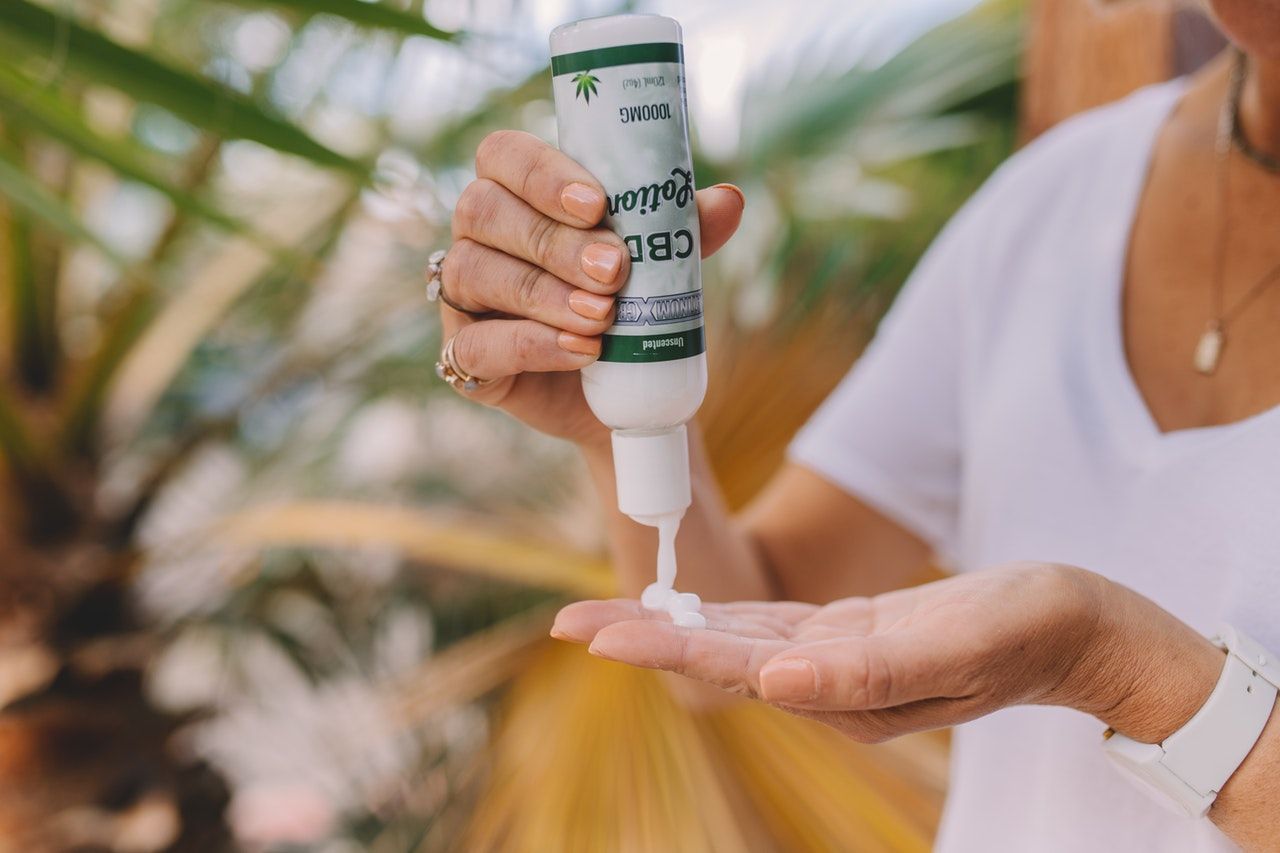
Marijuana-infused skincare, on the other hand, includes cannabinoids like CBD and sometimes THC, extracted from the flowers and leaves of the marijuana plant. These compounds interact directly with the skin’s endocannabinoid system, which can help calm inflammation, reduce redness, and improve overall skin tone. While marijuana-derived CBD is praised for its potential anti-inflammatory and antioxidant properties, products containing THC may provide additional soothing effects for conditions like eczema or psoriasis.
Ingredient Composition and Benefits
Hemp-based skincare lines focus primarily on hydration and protection. Products like moisturizers and cleansers use hemp seed oil to strengthen the skin barrier, regulate sebum production, and enhance elasticity. Hemp oil is also packed with vitamins A, D, and E, all of which contribute to maintaining a healthy complexion.
Marijuana-infused skincare products, by contrast, aim for targeted therapeutic benefits. The active cannabinoids may offer relief for irritation, acne, and other inflammatory skin concerns. Brands using full-spectrum marijuana extracts often highlight the “entourage effect,” suggesting that cannabinoids and terpenes work synergistically to enhance skin wellness.
Legal and Regulatory Considerations
One of the most significant distinctions lies in legality. Hemp-based skincare products are federally legal in the United States under the 2018 Farm Bill, as long as they contain less than 0.3% THC. This allows them to be sold widely in retail and online markets.
Marijuana-infused skincare products, however, remain regulated by state cannabis laws. They are generally available only through licensed dispensaries in states where marijuana is legal for medical or recreational use. This difference not only impacts product availability but also influences labeling, testing standards, and marketing claims.
Choosing What’s Right for You
For consumers seeking everyday hydration and barrier support, hemp-based skincare is a safe and accessible choice. It’s ideal for those with sensitive skin or anyone hesitant about using cannabinoid-heavy formulas.
Meanwhile, marijuana-infused skincare may appeal to individuals looking for enhanced anti-inflammatory effects or localized relief from chronic skin irritation. As with all topical products, it’s important to review third-party lab results and verify cannabinoid content to ensure safety and quality.
Closing Thought
Both hemp-based and marijuana-infused skincare lines have earned their place in modern beauty routines. The choice ultimately depends on personal preferences, skin goals, and local regulations. As research continues to expand, these plant-based products are expected to redefine the balance between wellness, science, and skincare innovation.