
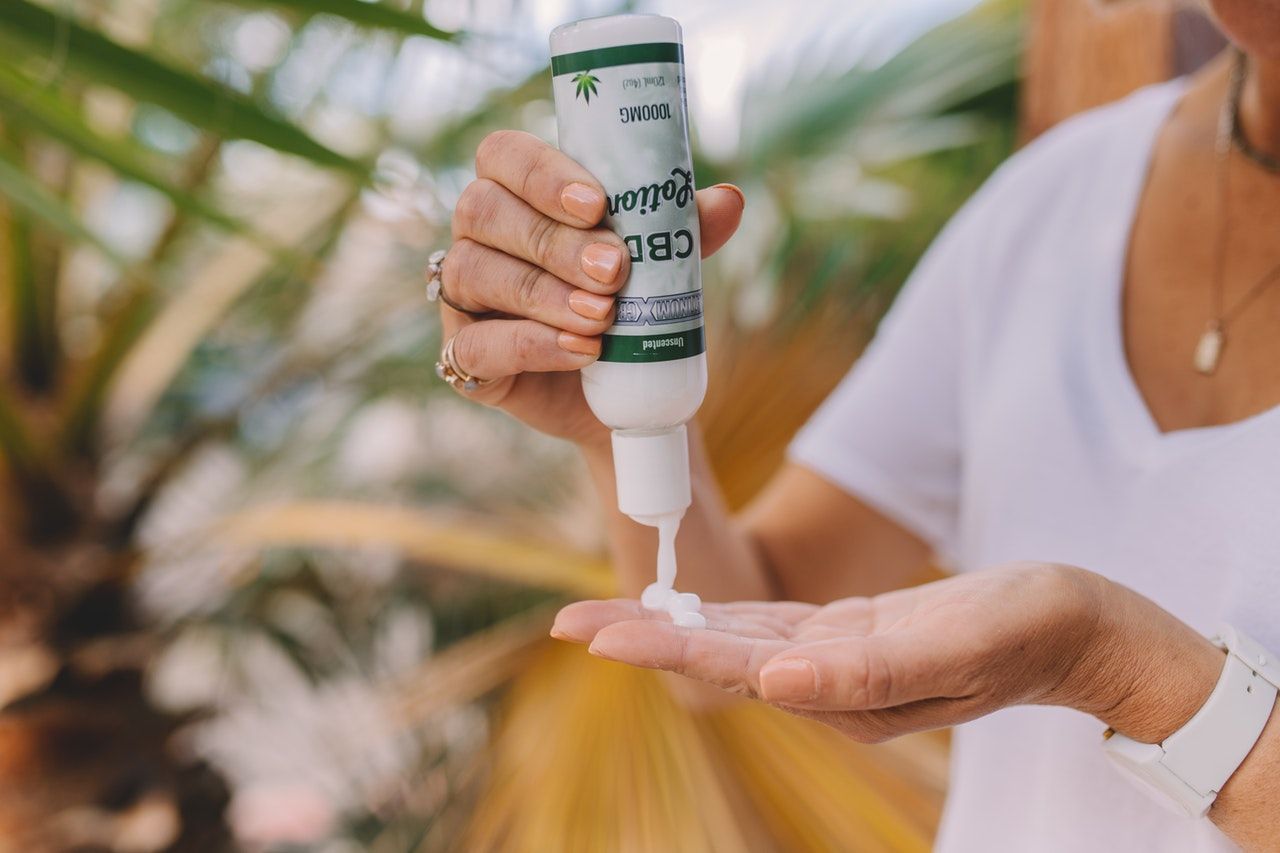
Consumers with sensitive or easily irritated skin are increasingly turning to marijuana-infused skincare products, hoping to benefit from the soothing, anti-inflammatory, and antioxidant properties of cannabinoids such as CBD and THC. These compounds have gained attention in dermatology for their potential to calm redness, reduce irritation, and strengthen the skin’s natural barrier.
However, those with sensitive skin should approach these products with informed caution. While early research and anecdotal evidence suggest cannabis-derived ingredients may support overall skin wellness, regulation of these products remains inconsistent. In the United States, for example, the FDA has not yet created a formal approval pathway for cannabis-infused skincare. This means product quality can vary greatly between brands, making careful label reading and brand research essential for consumers.
It is also important to note that “marijuana skincare” is not a single category of formulation. Sensitive skin often reacts to added fragrances, artificial dyes, and certain essential oils—ingredients that may be found in some cannabis topicals. Many of these products include terpenes, such as limonene or linalool, for aroma or added effect. When oxidized, these compounds can trigger contact allergies or irritation. In many cases, it’s not the cannabinoid itself that causes discomfort, but these additional ingredients. For individuals with sensitive skin, fragrance-free, dye-free, and essential-oil-free products are often the safest options.
Dermatology experts note that cannabinoid-infused topicals may have benefits for inflammatory skin conditions like eczema and rosacea, both of which are common in sensitive skin types. However, individual tolerance varies widely, and the type of formulation—whether cream, ointment, or gel—also affects how the product feels and performs on the skin. Patch-testing is strongly recommended before full use.
Smart Tips for Sensitive Skin Users:
- Patch Test First: Apply a small amount of the product to a discreet area, such as the inner forearm, for several days. Discontinue use if redness, stinging, or burning occurs.
- Choose Gentle Formulas: Opt for products labeled “fragrance-free,” “dye-free,” and “sensitive-skin safe.” Thicker creams and ointments are generally less irritating than gels or heavily scented balms.
- Check Certificates of Analysis (COAs): Reliable brands provide third-party lab reports verifying purity and cannabinoid content, ensuring products are free from contaminants like heavy metals or residual solvents.
- Avoid Unproven Claims: Be wary of brands that market cannabis products with medical or therapeutic claims. Those with chronic skin conditions should always consult a dermatologist before introducing new topicals.
Overall, marijuana-infused skincare products can be safe and even beneficial for many people with sensitive skin—particularly when the formula is clean, fragrance-free, and backed by transparent testing. The biggest risk usually lies not in the cannabinoids themselves, but in the added ingredients or poor manufacturing practices. For sensitive skin users, a cautious and informed approach is key to achieving calm, balanced, and healthy-looking skin.