
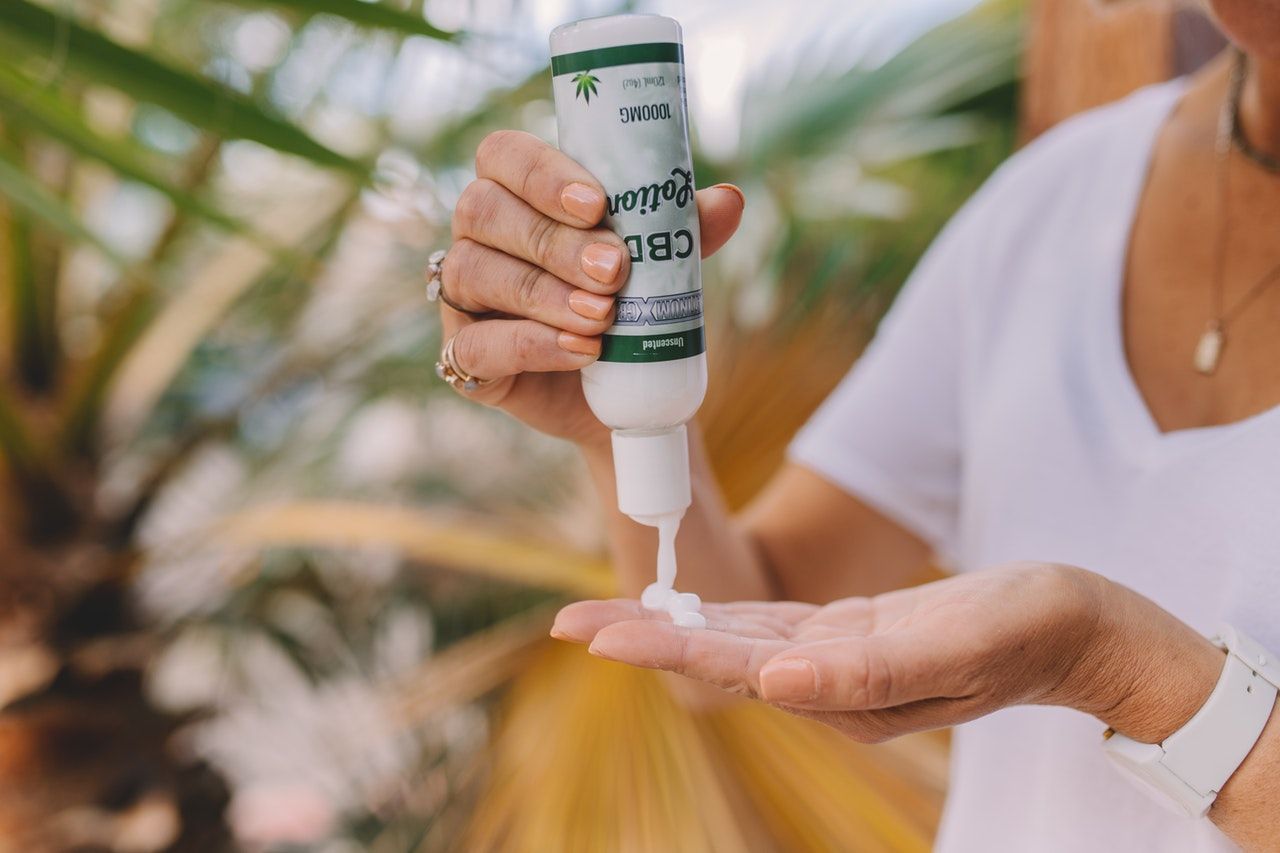
Marijuana-infused skin products—ranging from creams and serums to balms and masks—have gained attention for their ability to support skin health through naturally derived cannabinoids such as CBD and, in some formulations, low levels of THC. These ingredients work by interacting with the skin’s own endocannabinoid system (ECS), a network of receptors known as CB1 and CB2 that help regulate balance, inflammation, oil production, and overall skin homeostasis.
The ECS exists throughout the skin, appearing in keratinocytes (skin cells), sebocytes (oil glands), hair follicles, nerve fibers, and melanocytes. When cannabinoids are applied topically, they engage with these receptors to help restore the skin’s balance and calm visible irritation.
There are two primary ways marijuana-infused products interact with the skin. Topical formulations—like lotions and balms—are designed to act locally, calming and conditioning the surface without entering the bloodstream. These products typically do not cause intoxication because cannabinoids remain within the outer layers of the skin. In contrast, transdermal products—such as patches—are created with special delivery systems that allow cannabinoids to penetrate deeper and potentially enter the bloodstream. These are used more for therapeutic or medical purposes rather than cosmetic skincare.
On a cellular level, several key benefits have been observed in research:
- Anti-Inflammatory Support: Cannabinoids may reduce inflammation by regulating signaling pathways in the skin. This makes them useful in products aimed at calming redness, sensitivity, or dryness.
- Oil and Barrier Balance: Studies indicate cannabinoids can influence oil gland activity, helping normalize sebum production and improve the skin’s barrier function for a smoother, clearer appearance.
- Itch and Sensation Relief: Cannabinoids interact with TRP channels that are responsible for itch and pain signaling, providing a sense of comfort for stressed or reactive skin.
- Antioxidant Defense: CBD, in particular, is known for its antioxidant potential, which helps protect skin against daily environmental aggressors like UV rays and pollution.
The effectiveness of a marijuana-infused product depends largely on its formulation. The skin’s outer layer, known as the stratum corneum, acts as a natural barrier, making penetration challenging. To address this, brands often use advanced techniques such as nanoemulsions, lipid carriers, or encapsulation to enhance cannabinoid delivery and absorption while maintaining cosmetic appeal.
From a regulatory standpoint, marijuana-infused skincare exists in a developing space. The U.S. Food and Drug Administration (FDA) has not yet approved over-the-counter CBD or THC products for treating specific skin conditions. Brands must comply with cosmetic regulations and avoid unverified medical claims. Consumers are encouraged to look for reputable products with third-party lab testing and transparent ingredient information.
In essence, marijuana-infused skincare products work by engaging the skin’s endocannabinoid system to promote calm, balanced, and resilient skin. Their success depends on both the cannabinoid profile and the sophistication of the formula—bringing together nature and science for healthier skin.
Learn More: CBD in Sports Recovery: Separating Hype from Evidence