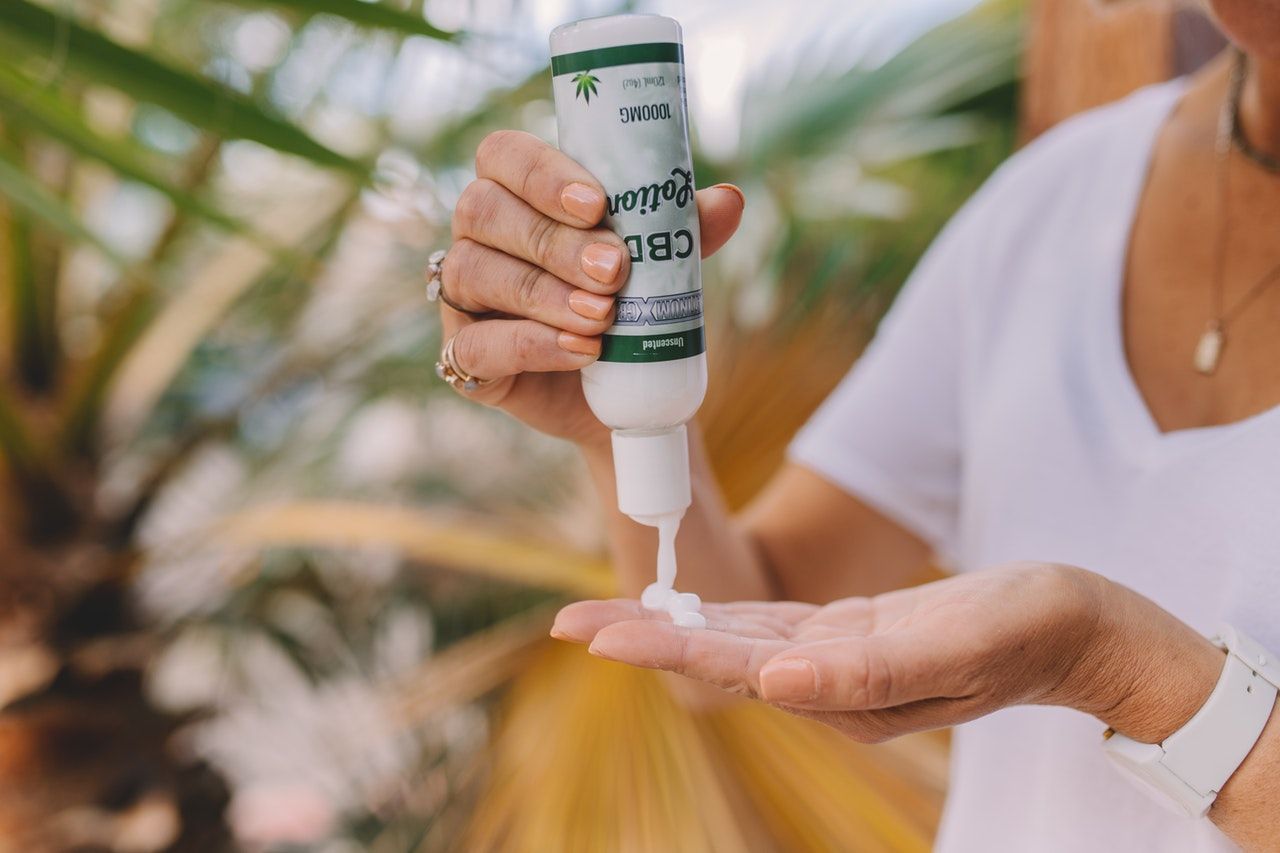
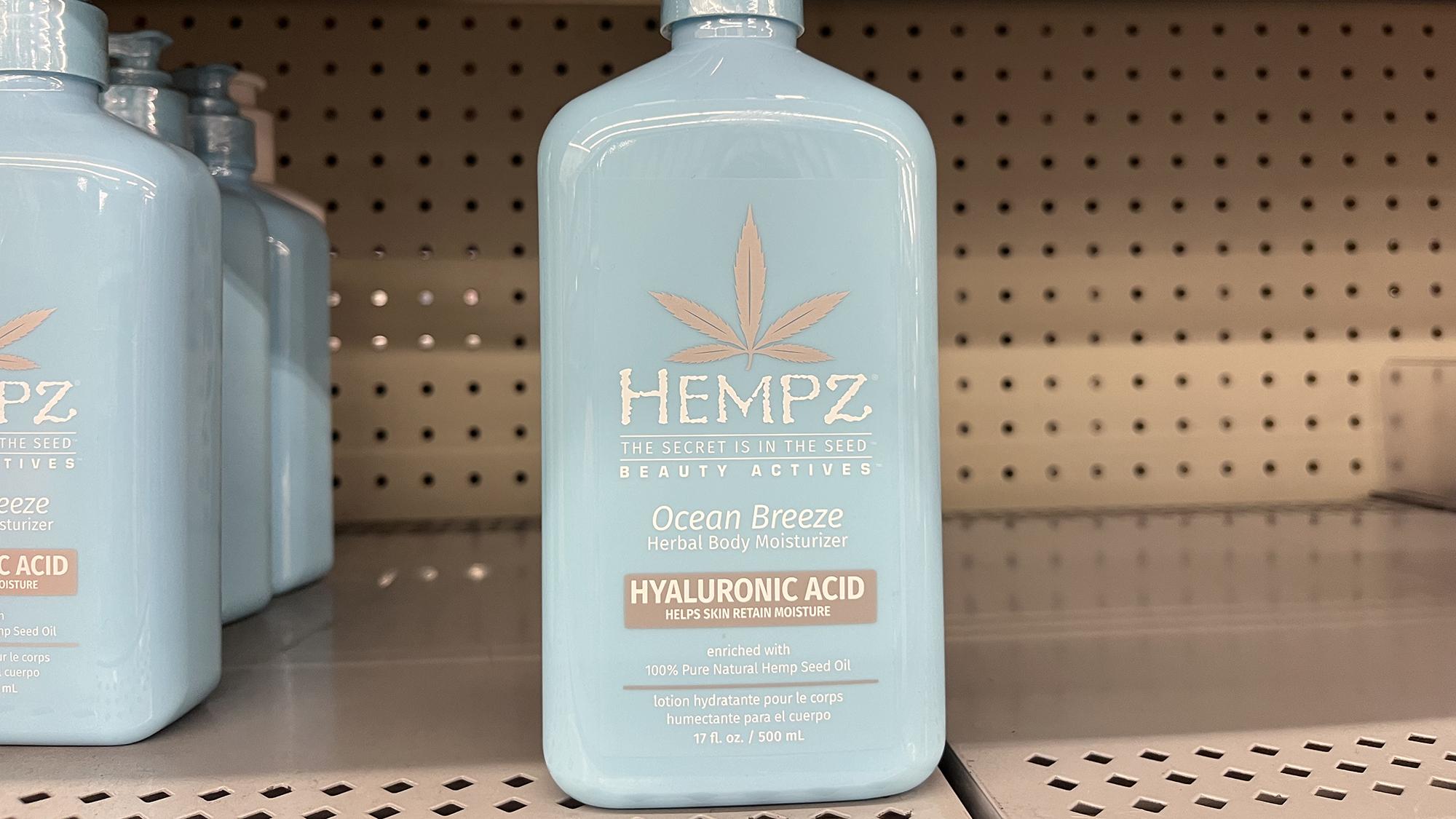
The beauty industry’s relationship with marijuana-derived skin products—particularly CBD topicals—remains cautious and selective. Major retailers such as Sephora began introducing CBD-infused skincare in 2018, but only under strict quality and transparency standards. Brands were required to provide verified testing documentation, meet clean ingredient guidelines, and maintain clear labeling. This approach reflects a conditional acceptance: marijuana skin products are welcome, but only when backed by science and compliance.
The market for CBD skincare has grown into a multi-billion-dollar category, with strong consumer interest and steady year-over-year gains. Consumers are drawn to these products for their perceived anti-inflammatory and calming benefits, seeing them as a bridge between beauty and wellness. Yet, despite this enthusiasm, widespread adoption among global beauty houses remains limited. Much of the hesitation stems from regulatory ambiguity and a lack of unified guidance.
In the United States, the FDA has not issued clear regulations for CBD use in cosmetics, leaving companies to navigate a complex and often confusing landscape. This absence of oversight deters large corporations from investing heavily, as the legal risks and compliance challenges remain uncertain. Until there is a consistent federal framework, many established beauty brands are likely to keep marijuana-based products at arm’s length.
Regulatory enforcement has also influenced the industry’s cautious stance. The FDA and FTC have issued warnings to brands making medical or therapeutic claims about CBD’s ability to treat pain, acne, or other conditions. Under current cosmetic law, such claims are not permitted. As a result, brands have been forced to refine their marketing, focusing on cosmetic benefits such as hydration and skin texture rather than clinical outcomes. This has created a more conservative, compliance-focused environment for product development.
In Europe, regulatory inconsistency further complicates the picture. While CBD is listed as an allowable ingredient in the EU’s CosIng database, rules differ across member states. Some countries permit hemp-derived CBD with minimal THC content, while others enforce stricter prohibitions. This lack of alignment makes it challenging for beauty companies to distribute products across borders, slowing the pace of international growth.
Quality control remains a critical factor in gaining broader industry acceptance. In the early years, many CBD skincare products suffered from inconsistent formulations and misleading labels. Today’s consumers are far more discerning, demanding lab testing, potency verification, and ethical sourcing. Retailers that enforce these standards earn consumer trust, but such measures raise costs and make entry into the category more difficult for smaller brands.
Overall, marijuana skin products have made steady progress but have not yet achieved full integration into the mainstream beauty market. Acceptance exists—but it is measured, cautious, and dependent on compliance. With clearer regulations, consistent quality standards, and growing consumer education, these products may ultimately become a permanent fixture in the global beauty industry.