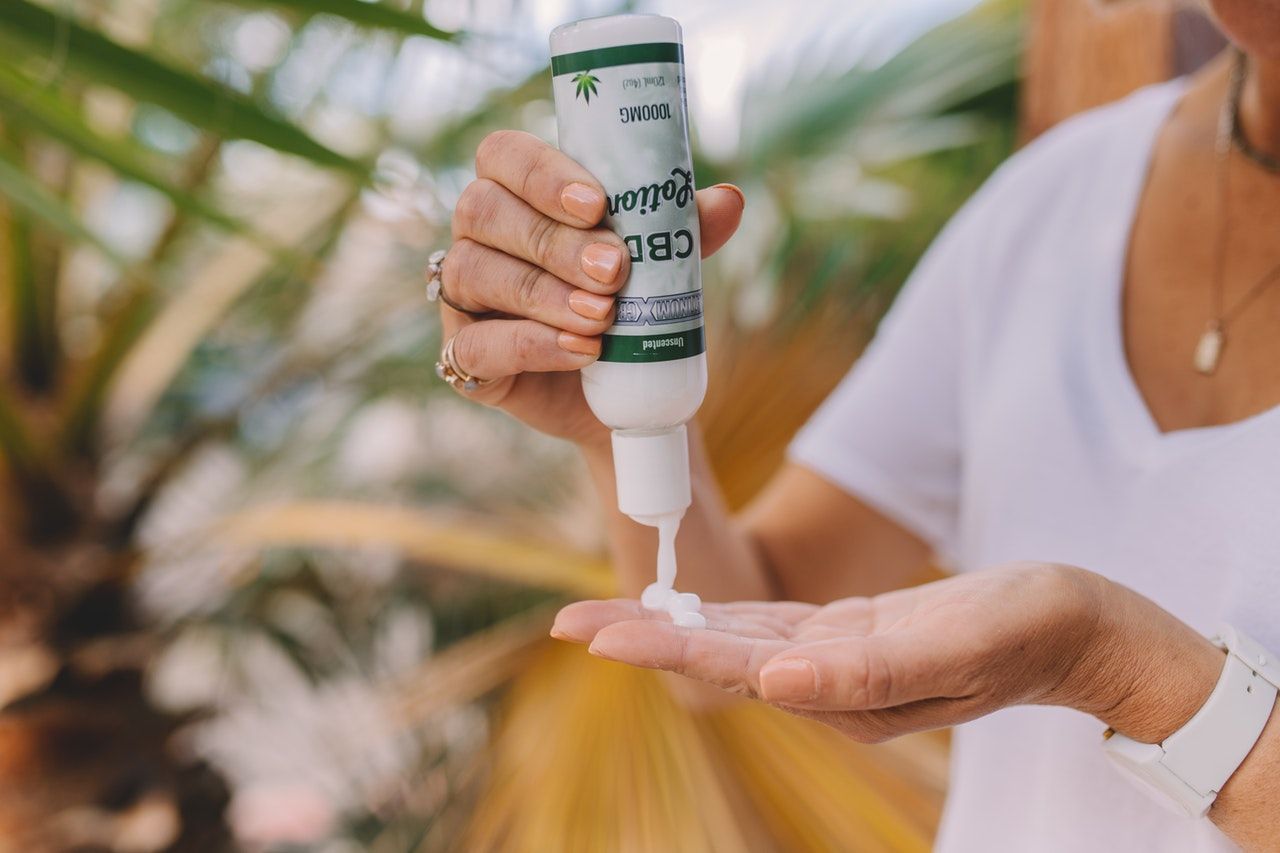
Marijuana skin products occupy a complex space in the U.S. regulatory landscape—where federal cosmetics law intersects with state-level cannabis control. While hemp-derived CBD lotions are treated as cosmetics under federal law, THC-containing topicals fall under state cannabis regulations. This distinction means they are not always regulated the same way as traditional skin products.
Under federal law, all cosmetics sold in the United States, including those infused with hemp-derived CBD, must comply with the Federal Food, Drug, and Cosmetic Act and the Modernization of Cosmetics Regulation Act of 2022 (MoCRA). MoCRA introduced new national requirements for the “responsible person,” such as FDA facility registration, annual product listing with ingredient disclosure, safety substantiation, and mandatory reporting of adverse events within a set timeframe. The FDA continues to refine these guidelines to ensure consumer safety and industry transparency.
Cosmetics do not require premarket approval—except for most color additives—but brands are expected to ensure that products are safe for use and free from misleading claims. The FDA has clarified that cosmetics containing hemp-derived CBD can be legally marketed if they are non-intoxicating, safe, and avoid any drug-related or therapeutic claims. Therefore, a CBD-infused face cream must comply with MoCRA’s cosmetic requirements and adhere to federal standards for labeling and advertising integrity.
The Federal Trade Commission (FTC) also plays a key role in oversight, particularly when it comes to advertising. Through its enforcement actions against companies making deceptive health claims about CBD, the FTC has reinforced that brands must possess credible scientific evidence for any product claims. Statements suggesting medical or therapeutic benefits are not allowed unless the product is classified and approved as a drug.
THC-containing topicals, sold through licensed dispensaries, are regulated more strictly at the state level. States like California set potency limits—typically 1,000 mg of THC per package for adult-use and up to 2,000 mg for medical-use products—along with specific labeling, testing, and packaging requirements. These products must also pass compliance testing, include cannabinoid content in milligrams per serving, and display state-mandated warnings and cannabis symbols. Additional regulations often require child-resistant packaging and prohibit interstate shipping.
Hemp-derived cosmetics face varying rules depending on the state. Some have restricted or banned products containing “intoxicating hemp” compounds like delta-8 THC. Proposed federal legislation may further tighten definitions and THC thresholds under the Farm Bill, signaling that regulatory oversight for hemp-based products will continue to evolve.
Ultimately, marijuana-infused skin products are not regulated identically to standard cosmetics. A hemp-based CBD lotion sold at a department store must meet federal cosmetic standards and FTC advertising rules. In contrast, a THC-infused balm purchased at a dispensary must comply with both cosmetic safety principles and comprehensive state cannabis regulations concerning potency, testing, and labeling. For consumers, the best approach is to review labels closely, avoid products that claim to cure or treat medical conditions, and choose brands that provide transparent testing and compliance details.